industry
Industry Analysis
Fast Casual Is Dead, Long Live Fast Casual: The Great QSR Convergence
The line between quick service and fast casual is disappearing — and that changes everything about how the industry competes
MAR 18, 2026 · 8 MIN READ
The line between quick service and fast casual is disappearing — and that changes everything about how the industry competes
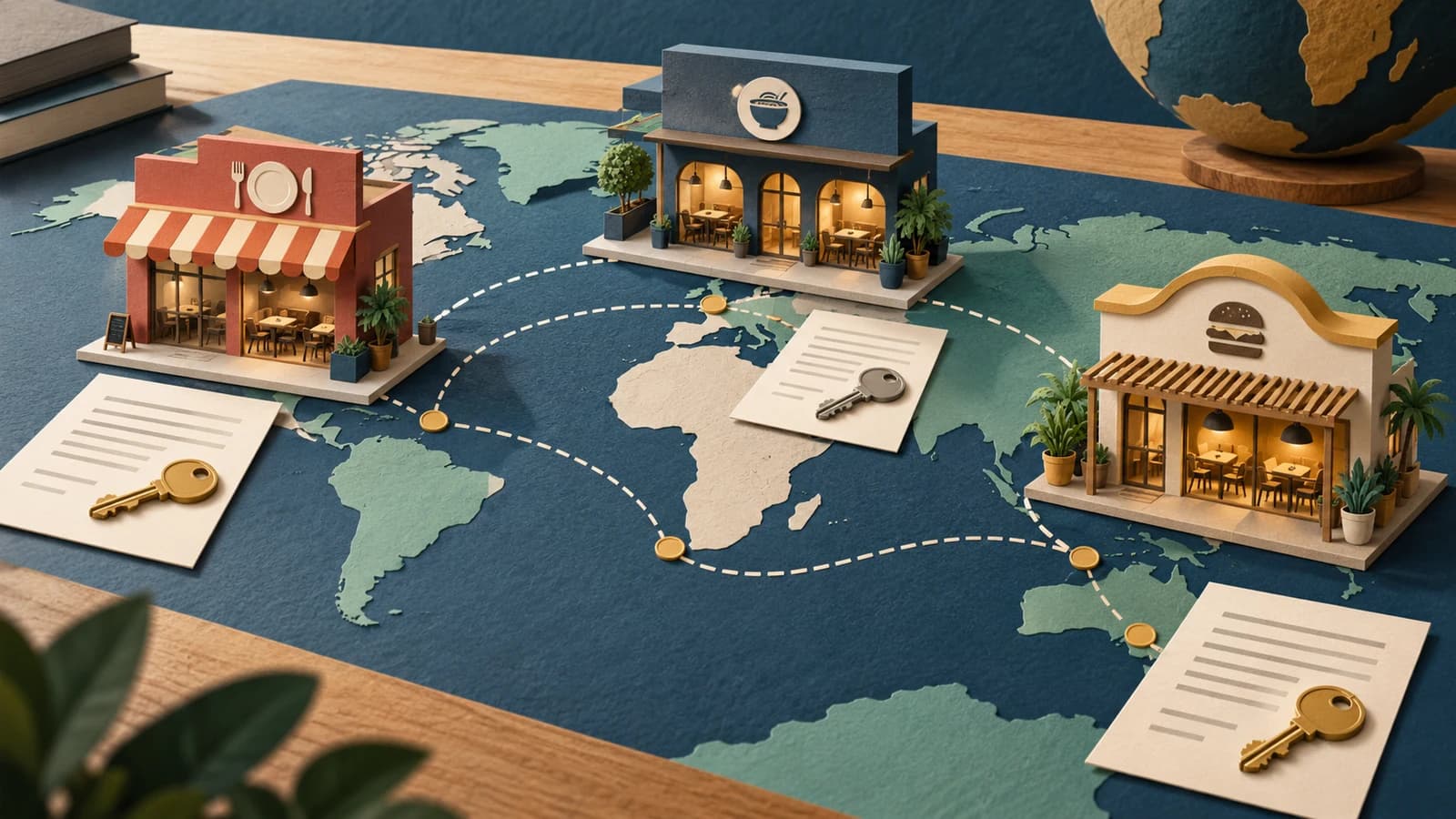
Starbucks, Chipotle and McDonald’s illustrate different operating arrangements.
Eighteen months into his tenure, the former Chipotle CEO has closed 600 stores, cut 2,000 corporate jobs, and finally delivered the traffic growth Wall Street has been waiting for
While McDonald's languishes at the bottom of satisfaction rankings, regional powerhouses are proving that disciplined growth, owner-operator culture, and geographic identity are the real competitive moats in QSR.
With traffic declining and middle-income consumers fleeing to grocery stores, the Big Three burger chains are locked in the most aggressive value battle since the dollar menu era
From Chick-fil-A's $22 billion empire to Raising Cane's explosive expansion, chicken has reshaped the quick-service landscape — and the transformation is accelerating
A data-driven ranking of the top 25 quick-service chains by unit growth, same-store sales trajectory, and breakout potential — plus our predictions for who crosses 5,000 units by 2030
Chick-fil-A generates $9.3 million per location while closed every Sunday. How their operator selection, menu simplification, and unit-level focus create a model other franchise brands should study.
Raising Cane's operates 700+ company-owned locations generating $3M+ AUV with zero franchises. Here's why the company-owned model delivers better results than franchising.
All three charge $8-$12 for burgers, but their business models couldn't be more different. Here's which premium burger franchise is accessible, profitable, and worth the investment.
Panda Express doesn't franchise in the US. Here's why the 2,400+ location chain stays company-owned, how they generate $2M+ AUV, and what this means for prospective franchisees.
Tim Hortons has 4,000+ Canadian locations and 75% market share. In the US? Under 650 struggling stores. Here's what went wrong and why Canadian dominance doesn't translate south.