operations
Operations & Management
The QSR Franchisee's Guide to Surviving an Economic Downturn
A recession playbook for quick-service restaurant operators
MAR 19, 2026 · 12 MIN READ
Category
Drive-thru, kitchen efficiency, food safety, labor, inventory
143 articles
RSSA recession playbook for quick-service restaurant operators
Q4 planning strategies that separate winners from those left scrambling
The compressed summer window demands strategic execution to capture seasonal opportunity
While most QSR chains wind down after 10 PM, Jack in the Box leans into the hours that others abandon — and it's a core part of the business model.
Complete guide to meeting ADA standards in restaurants, websites, and mobile apps
Understanding why 70-80% of new menu items don't survive and what separates winners from the graveyard
Why catering represents one of the fastest-growing, highest-margin opportunities in quick service restaurants, and how operators can capture their share of this massive market with the right strategy and execution.
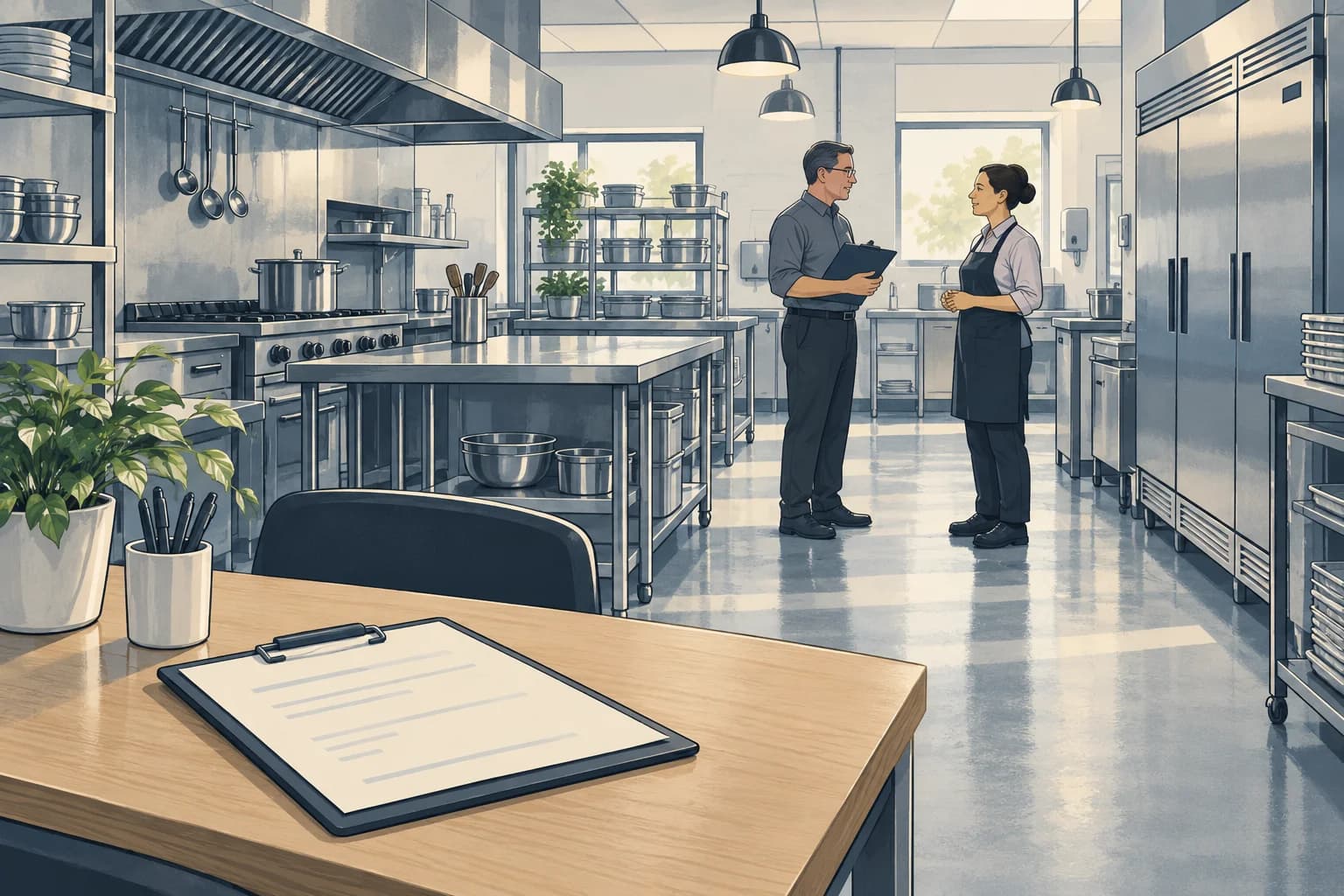
How managers connect food-safety expectations to daily tasks and employee reporting.
Energy costs eat 3-5% of every sales dollar, often invisibly. A typical QSR location spends $45,000-$75,000 annually on utilities. Smart operators are cutting that by 20-30% with strategic improvements that pay for themselves.
Your burger's journey started days ago and thousands of miles away. The supply chain systems that deliver consistent quality at massive scale make Amazon's logistics look simple.
Chick-fil-A's average drive-thru takes 224 seconds. McDonald's takes 280. That 56-second difference represents hundreds of millions in revenue. Every second matters when it compounds across millions of transactions.
Food waste accounts for 4-10% of total food purchases in quick service restaurants. Smart inventory management isn't just about tracking products; it's about building systems that make waste reduction automatic and profitable.