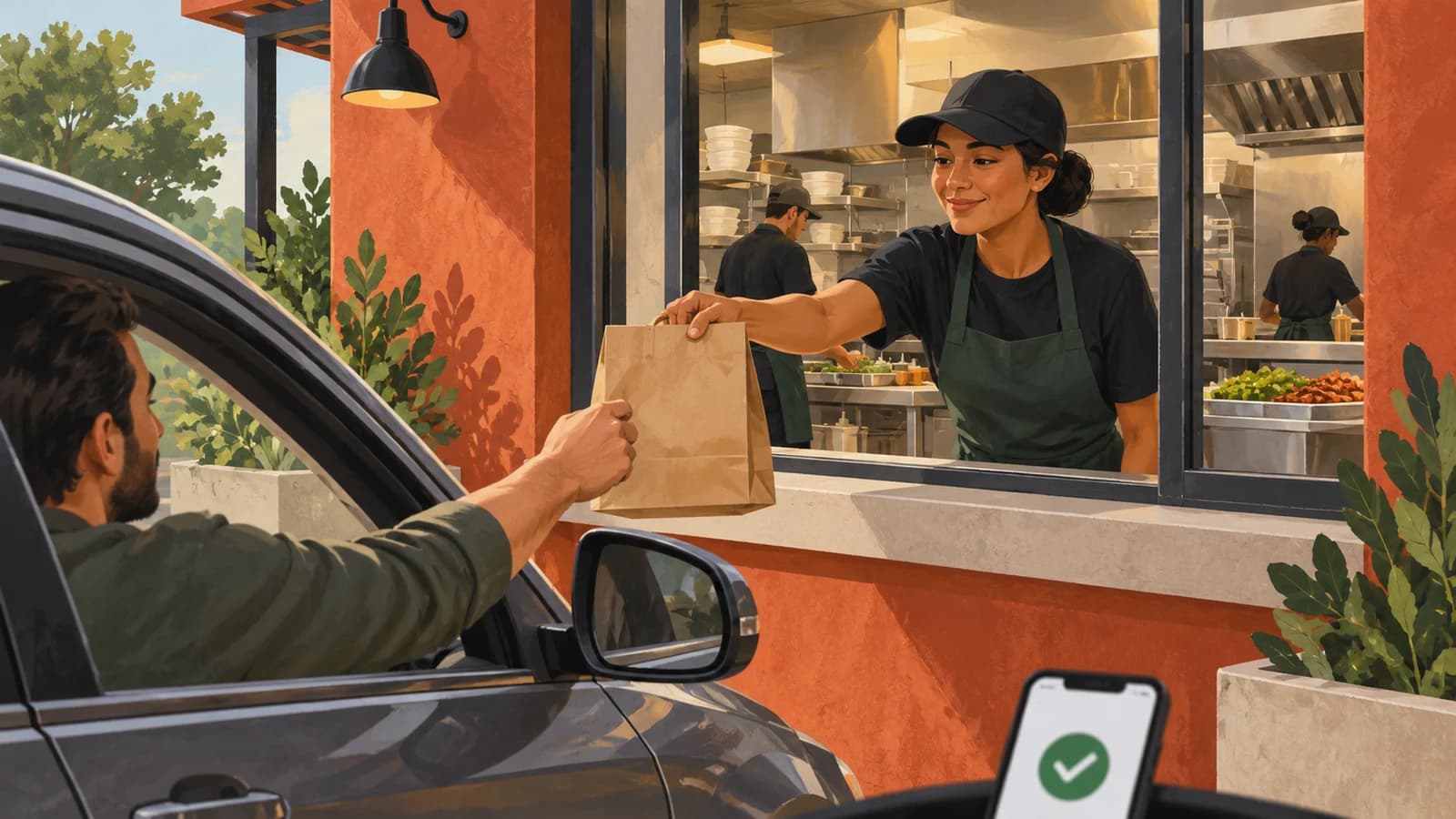
On September 29, Chipotle announced its 1,500th Chipotlane opening in Bradenton, Florida, extending a pickup format it calls its preferred choice for new restaurants. The location combines the lane with its Habanero restaurant design and High-Efficiency Equipment Package, or HEEP. Chipotle's announcement brings together changes to how customers collect food and how employees prepare it.
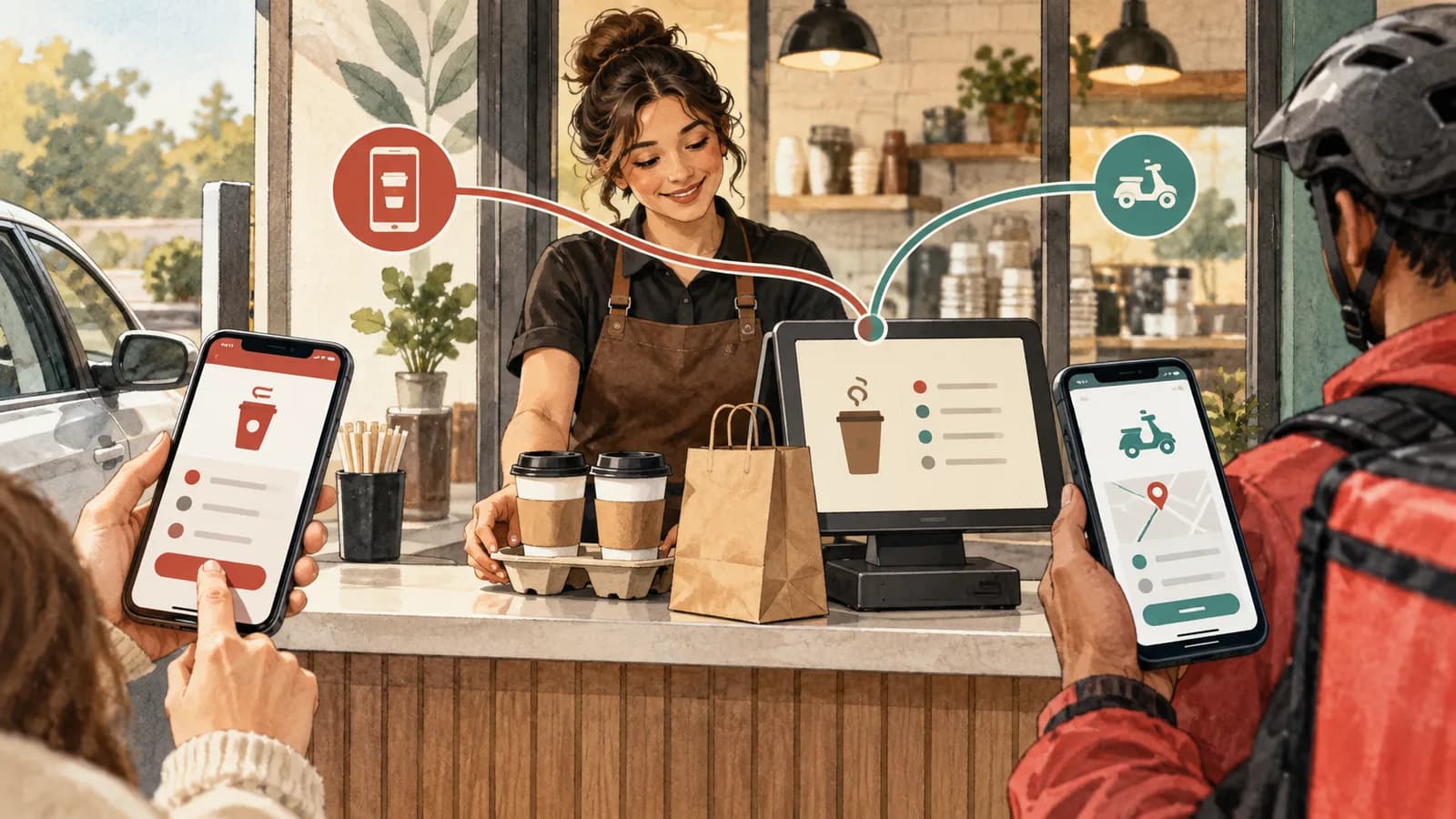
Guests order through Chipotle's app or website and select Chipotlane pickup, then collect the food from their vehicle. In 2025, 257 of Chipotle's 334 company-owned restaurant openings included the lane, giving the format a substantial role in the chain's expansion before the Florida milestone. Chipotle owns and operates its U.S. restaurants. The September announcement maintained its plan for 350 to 370 new restaurants in 2026 and its longer-term goal of 7,000 locations across the U.S. and Canada.
Ordering happens before the handoff#
The operating sequence dates to early 2018, when Chipotle introduced the format in the U.S. Its November 2024 account described a lane that lets both guests and delivery drivers retrieve digital orders without getting out of their cars. The order exists before the vehicle reaches the pickup window. That separates choosing a meal from the physical handoff, giving the lane a defined job within the restaurant's service process.
The company announced its 1,000th Chipotlane for November 21, 2024, in Olathe, Kansas. At that point, nearly 30% of its portfolio of more than 3,600 restaurants had the format. That historical share describes the installed restaurant base, including older locations, rather than the mix of restaurants being built in a particular year.
The 2024 announcement also set out Chipotle's development logic: it said new restaurants with lanes generated higher volumes and returns than the traditional format. The company was building a real estate pipeline intended to support annual unit growth of 8% to 10%, with most new locations including a Chipotlane.
Equipment addresses the work before pickup#
The kitchen package changes how employees prepare those orders. Chipotle detailed its components when it announced its 4,000th restaurant in Manhattan, Kansas, in December 2025. That restaurant also combined a Chipotlane with the equipment package.
Chipotle describes four changes to production. A rice cooker with three pans supports larger cooking volumes and consistent batches. A plancha that cooks on both sides reduces cooking time for steak, chicken and fajita vegetables. A higher-capacity fryer increases chip production, while a slicer automates produce cutting for prep.
Chipotle says the package is designed to simplify cooking and allow staff to be deployed more effectively at peak hours. Its emphasis is on preparing the food: producing batches, cutting ingredients and reducing cooking time. At Manhattan, those production changes accompanied a lane that lets customers collect the finished meal from their cars.
Opening mix and digital sales measure different things#
Chipotle's second-quarter results, released July 29, show the format's continuing place in development: 80 of 100 company-owned openings in the quarter ended June 30 had a Chipotlane. Its outlook called for around 80% of new company-owned restaurants to include one in 2026. The overall opening forecast also includes 10 to 15 international partner-operated restaurants, which Chipotle does not directly manage day to day.
Digital sales represented 38.3% of food and beverage revenue in that quarter, up from 35.5% a year earlier. Chipotle defines digital sales as company-owned restaurant food and beverage revenue generated through its website, app or third-party delivery aggregators. The figure therefore covers a broader set of orders than Chipotlane collections. It cannot identify the revenue collected through a particular pickup format.
Comparable restaurant sales rose 2.2%, comprising a 1.0% increase in transactions and 1.2% growth in average check. That comparison covers company-owned restaurants open at least 13 full calendar months. Total revenue rose 9.3% to $3.3 billion, with new openings contributing more to growth than comparable sales. The expansion added restaurants; the comparable-sales figures describe changes in the established base.
QSR Pro Staff
The QSR Pro editorial team covers the quick service restaurant industry with in-depth analysis, data-driven reporting, and operator-first perspective.
More from QSR