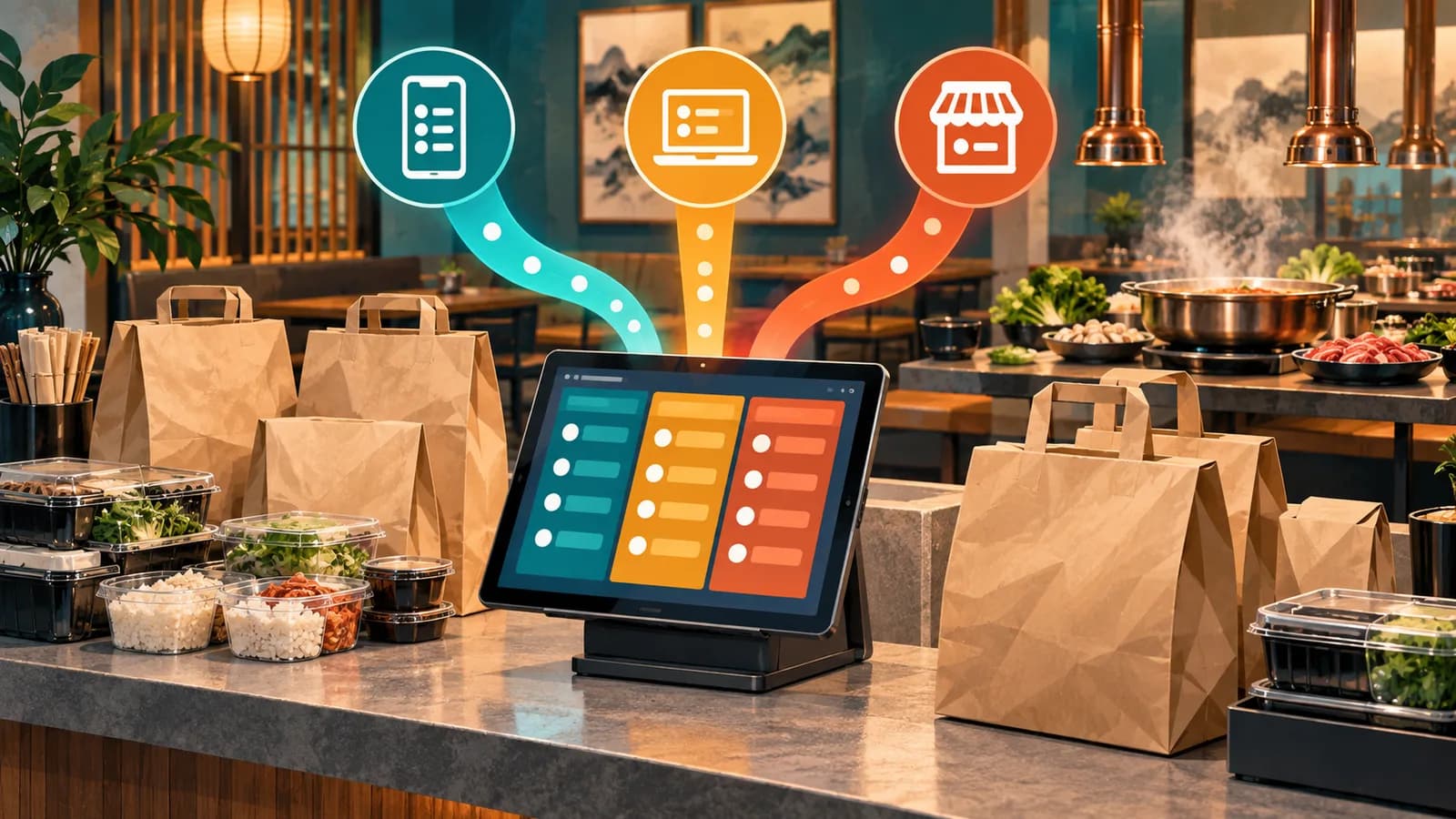
KPOT Korean BBQ & Hot Pot plans to deploy Deliverect across its U.S. franchise network of more than 140 restaurants, bringing marketplace orders and menu management onto a common platform. Deliverect announced the partnership September 22.
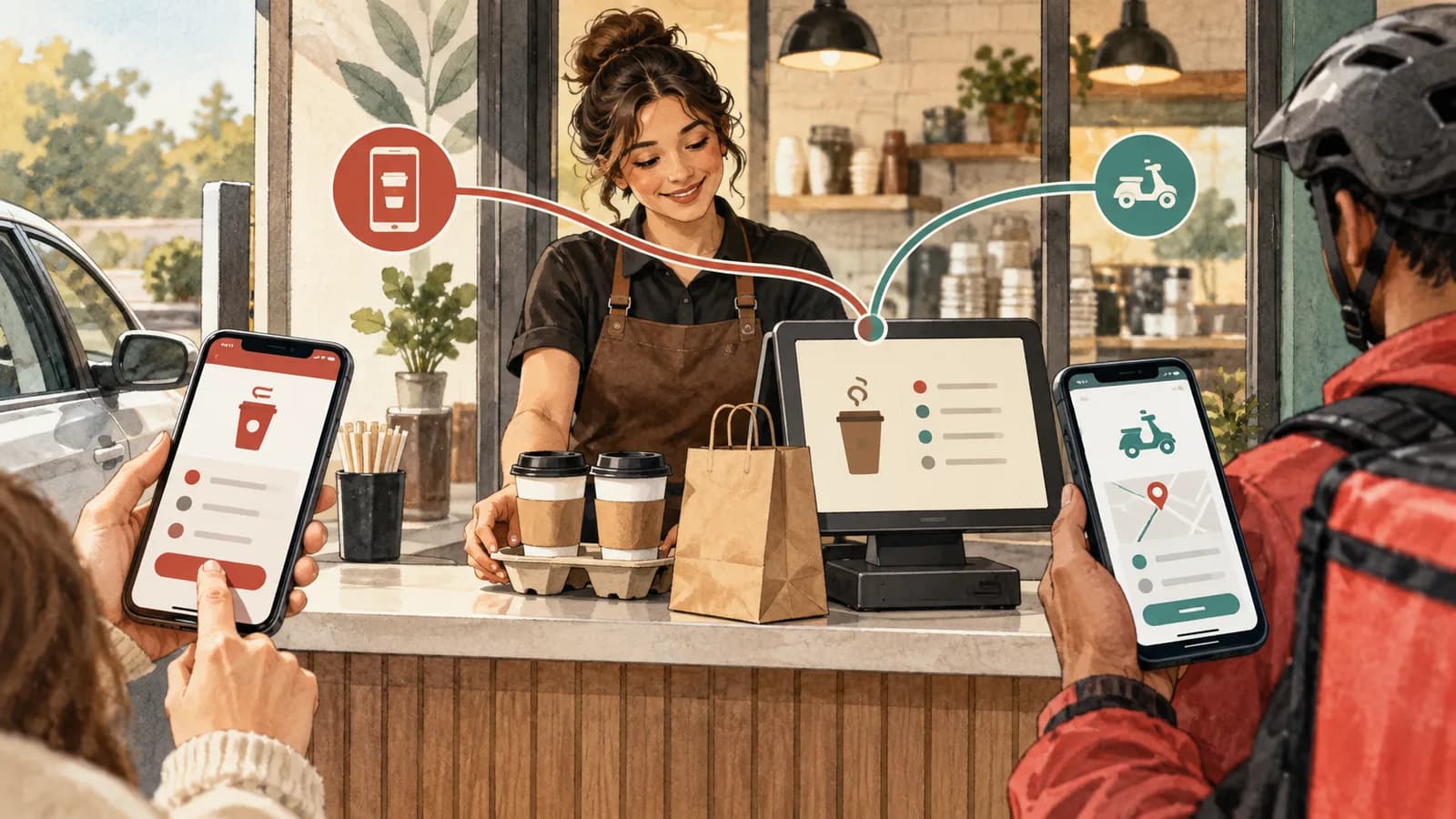
The company says the system will route orders from delivery marketplaces into each restaurant's point-of-sale system and provide central control over menus, prices and item availability. KPOT, founded in 2018, links the decision to managing digital ordering as its franchise network expands. The announced scope covers the restaurant network; it does not establish that every location is already connected.
One menu, different responsibilities#
Deliverect's general product documentation explains how a common menu can accommodate different restaurants and users. These are platform capabilities; the announcement does not specify KPOT's menu setup or division of editing authority.
The menu-permissions guide distinguishes a shared menu from separate restaurant menus. Selecting several locations in a menu's edit restrictions does not create separate copies; the guide says an edit affects all those locations. Separate menus can instead be created or duplicated and assigned individually.
Access to those menus is another setting. Deliverect allows a user's access to be limited to selected locations, with a restriction enabled in that user's account. The guide says users otherwise retain access to all menus. Sharing a menu and limiting an editor's access are separate decisions: an account restriction controls access, while a shared menu remains one set of content.
Local differences within a common menu#
The platform also supports changes to selected fields without creating a wholly separate menu. Its customization guide describes rules that apply to a location, location group, delivery channel or custom tag. Those rules can govern a price, an item's visibility, its name or description, among other attributes.
That provides a way to keep shared content while varying a particular detail. A price field, for example, can carry a value for a selected group of restaurants. Customization extends beyond individual items to categories and menu details. The field holds the value, with rules specifying the locations or channels it covers.
From a change to a published menu#
Deliverect's menu FAQ separates product syncing, menu editing and publication. For price updates, it recommends changing the point-of-sale data and syncing products into Deliverect. The menu editor also supports different pricing, including overrides that remain after a product sync until removed.
Publishing sends a chosen menu to selected delivery channels. The receiving marketplace may take time to display it. Deliverect's operation reports show publication status and errors, while menu history records what changed. Menu schedules add a time dimension: they can specify a menu, restaurant, channels, days and hours, plus start and end dates.
A related announcement this week shows how these connections can sit alongside other ordering work. Olo said September 23 that its Ordering product powers Scooter's Coffee's app backend, while Rails supports the brand's first marketplace delivery channel at participating stores. Olo described menu, point-of-sale and location setup in June, followed by the app migration in September. KPOT's announcement concerns marketplace ordering and menu management.
QSR Pro Staff
The QSR Pro editorial team covers the quick service restaurant industry with in-depth analysis, data-driven reporting, and operator-first perspective.
More from QSR