Industry Analysis
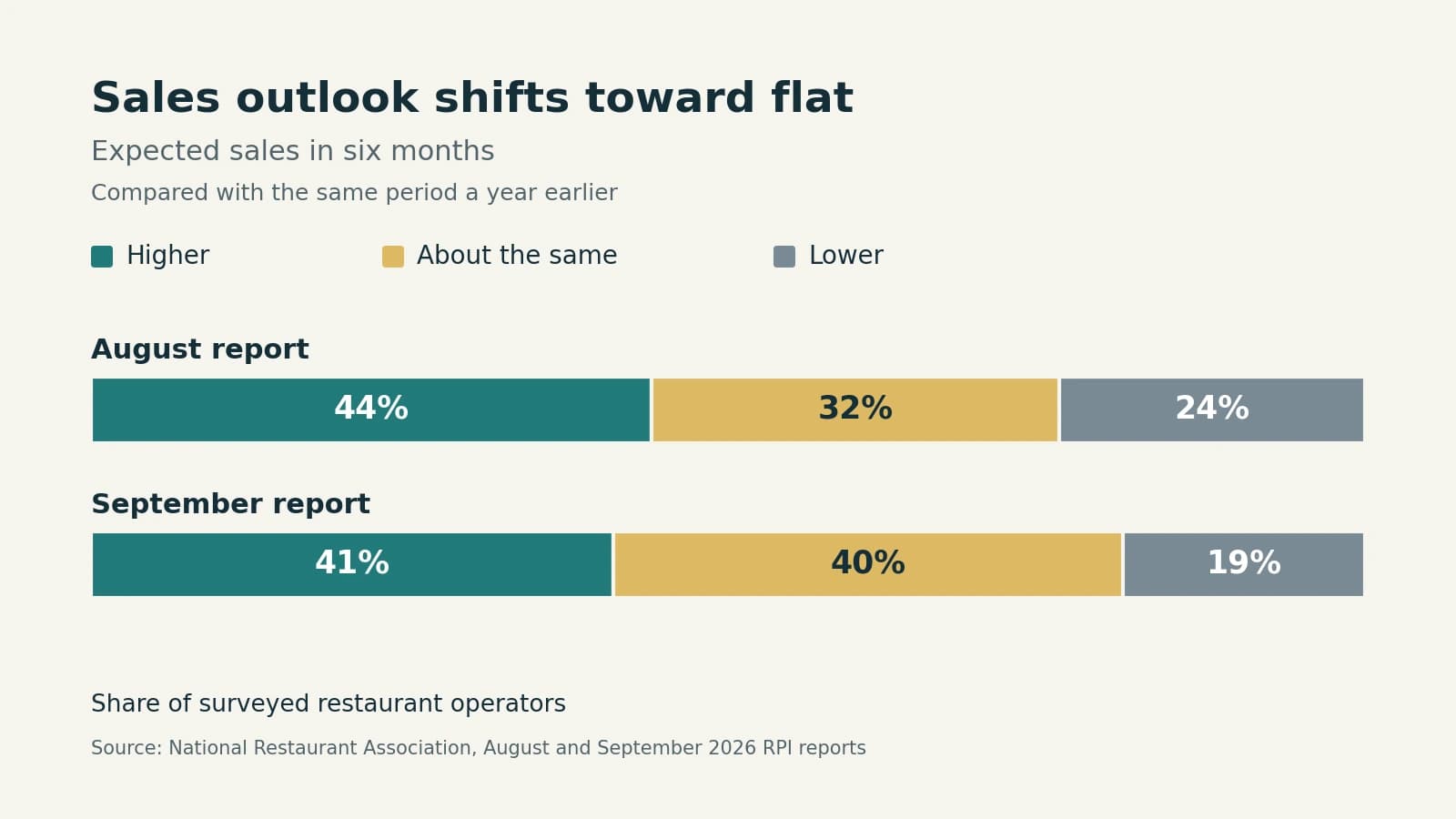
Restaurant sales expectations shift toward flat
Decline expectations fell more than growth expectations.
OCT 31, 2026 · 1 MIN READ
Showing 1–20 of 22 articles
Decline expectations fell more than growth expectations.
RBI’s CFO links beef costs to a longer modernization timetable.
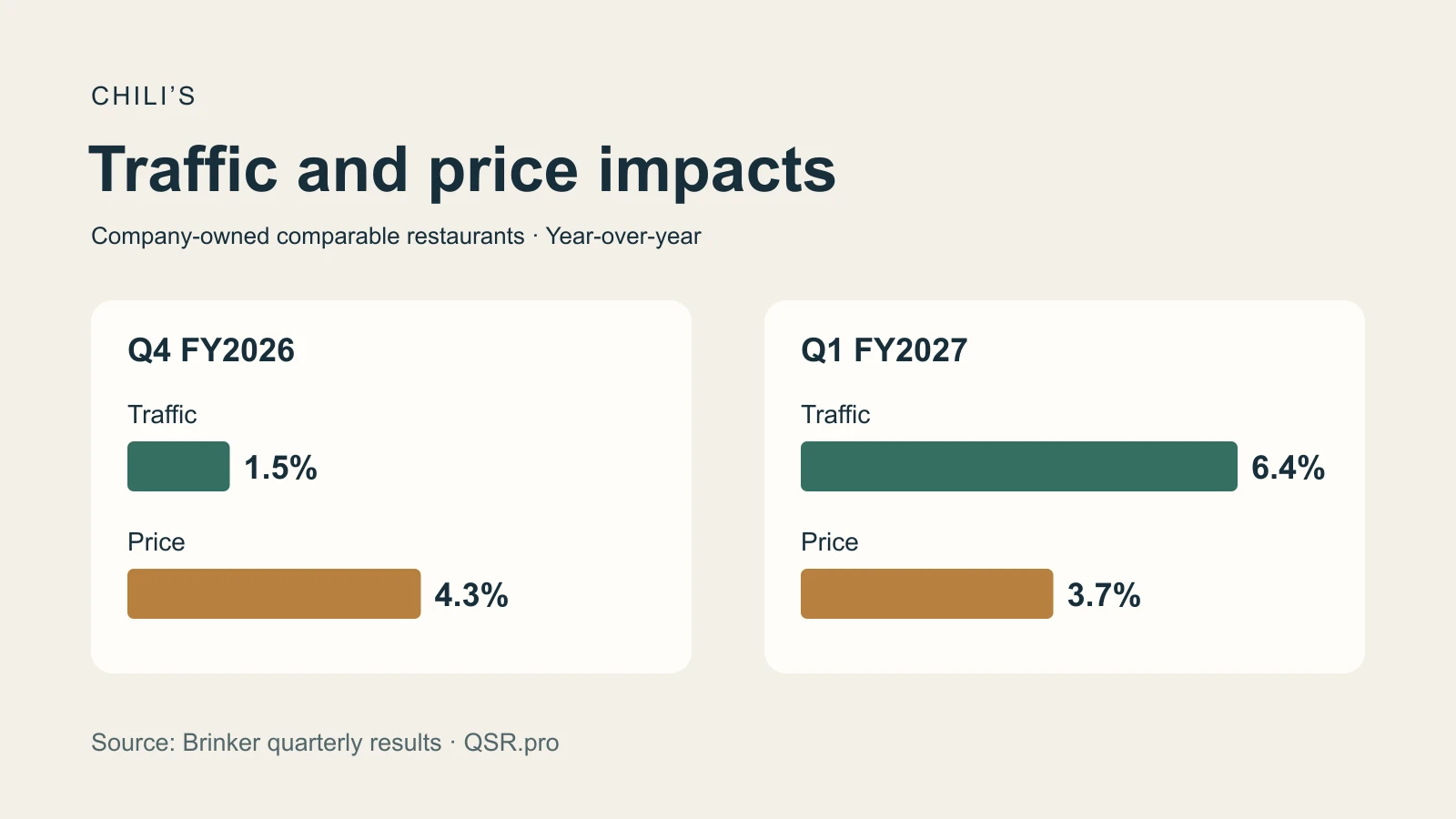
Traffic and margins rose at company-owned Chili’s restaurants. Annual labor figures explain how sales growth spreads costs.
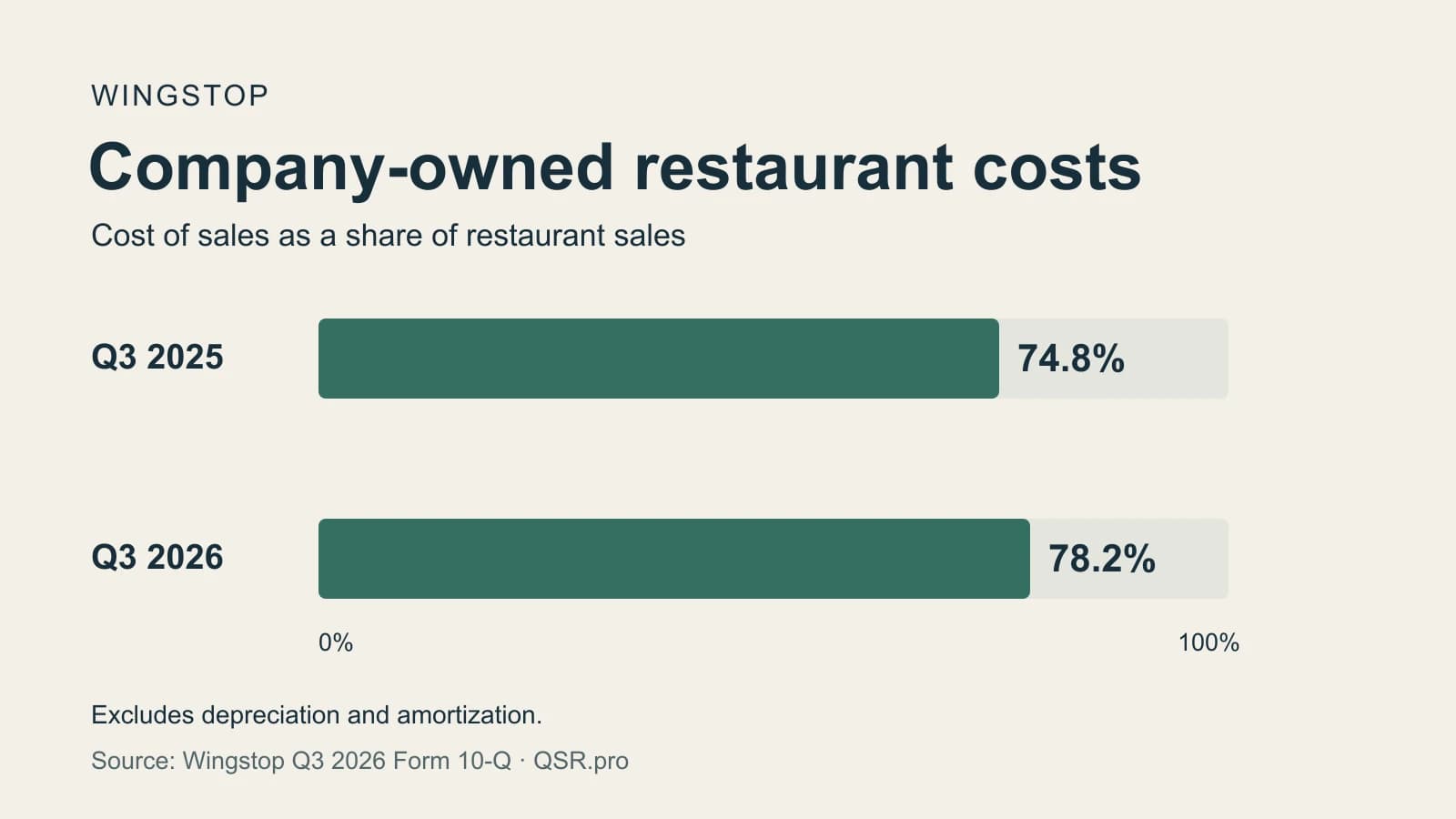
Wingstop describes systemwide training and coaching, while acquired restaurants add costs to its company-owned portfolio.
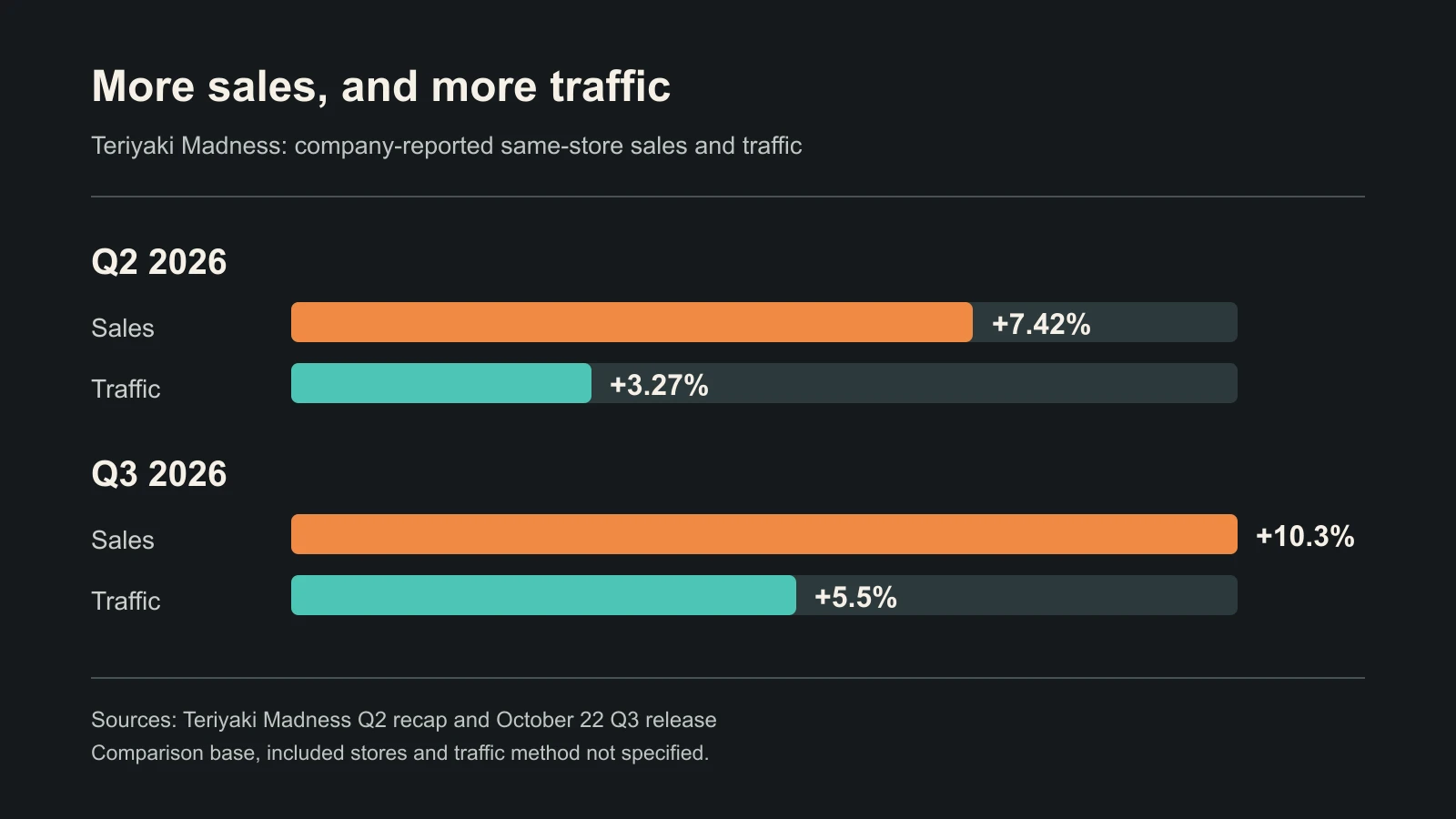
Company figures distinguish existing-shop gains from expansion. Earlier interviews describe catering operations and digital-order constraints.
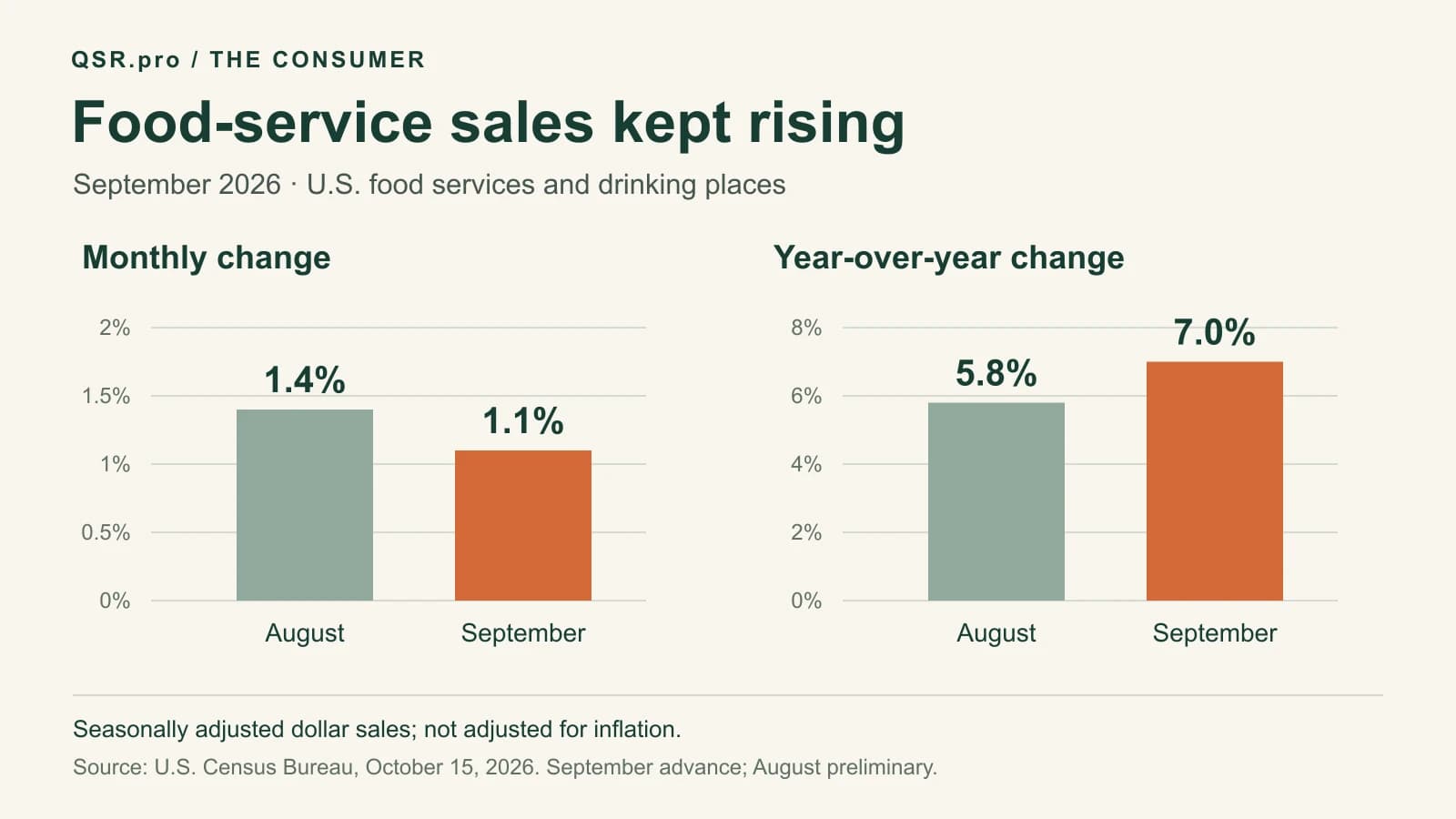
U.S. food-service sales reached $92.9 billion in September. Earlier results at McDonald’s and Wendy’s show how larger checks can support sales and cushion rising costs.
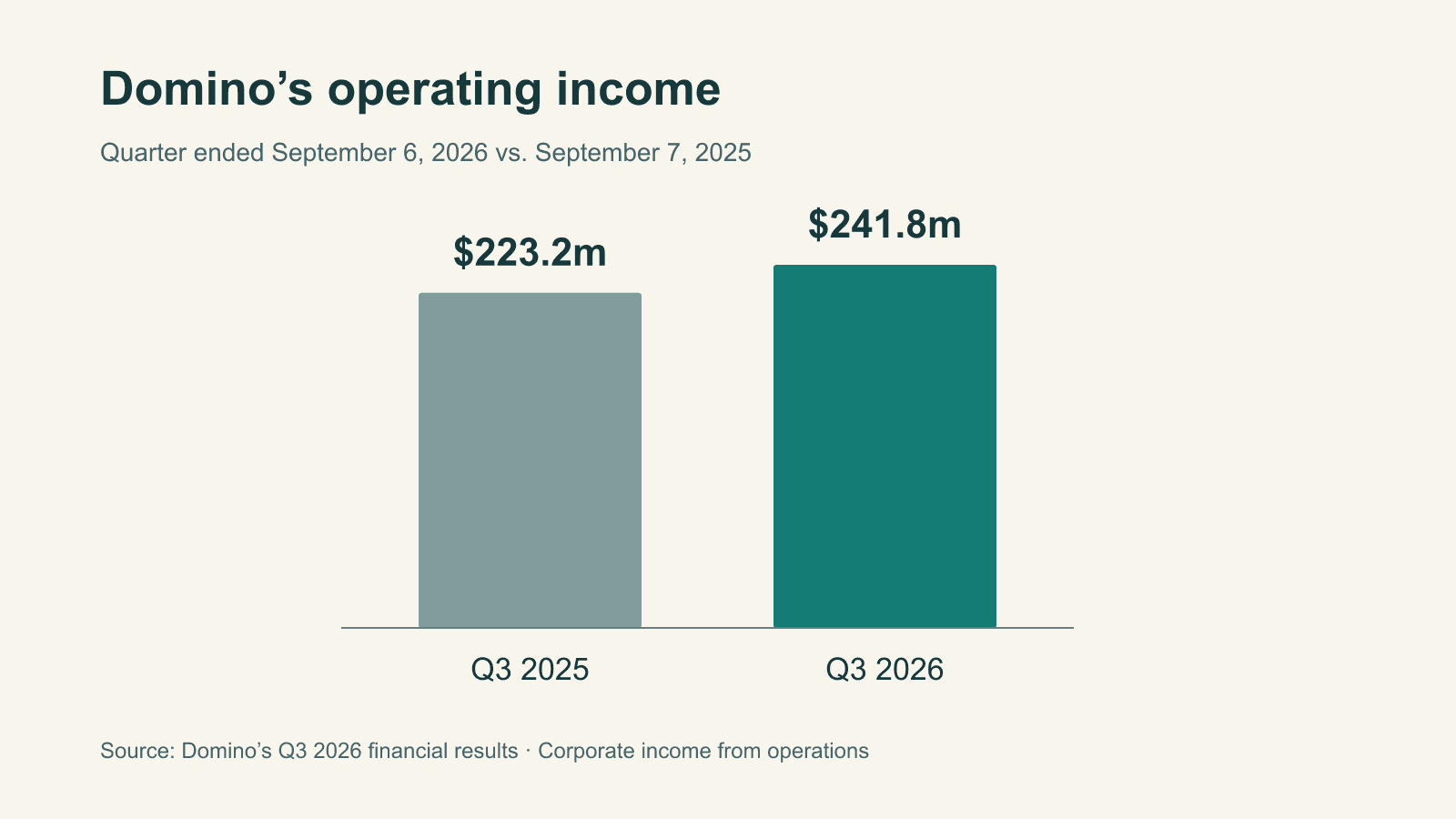
Higher supply-chain gross profit and royalties explain the pizza franchisor’s third-quarter operating-income increase.
Starbucks estimates $300 million in restructuring charges and lowers its global net-opening forecast to about 440.
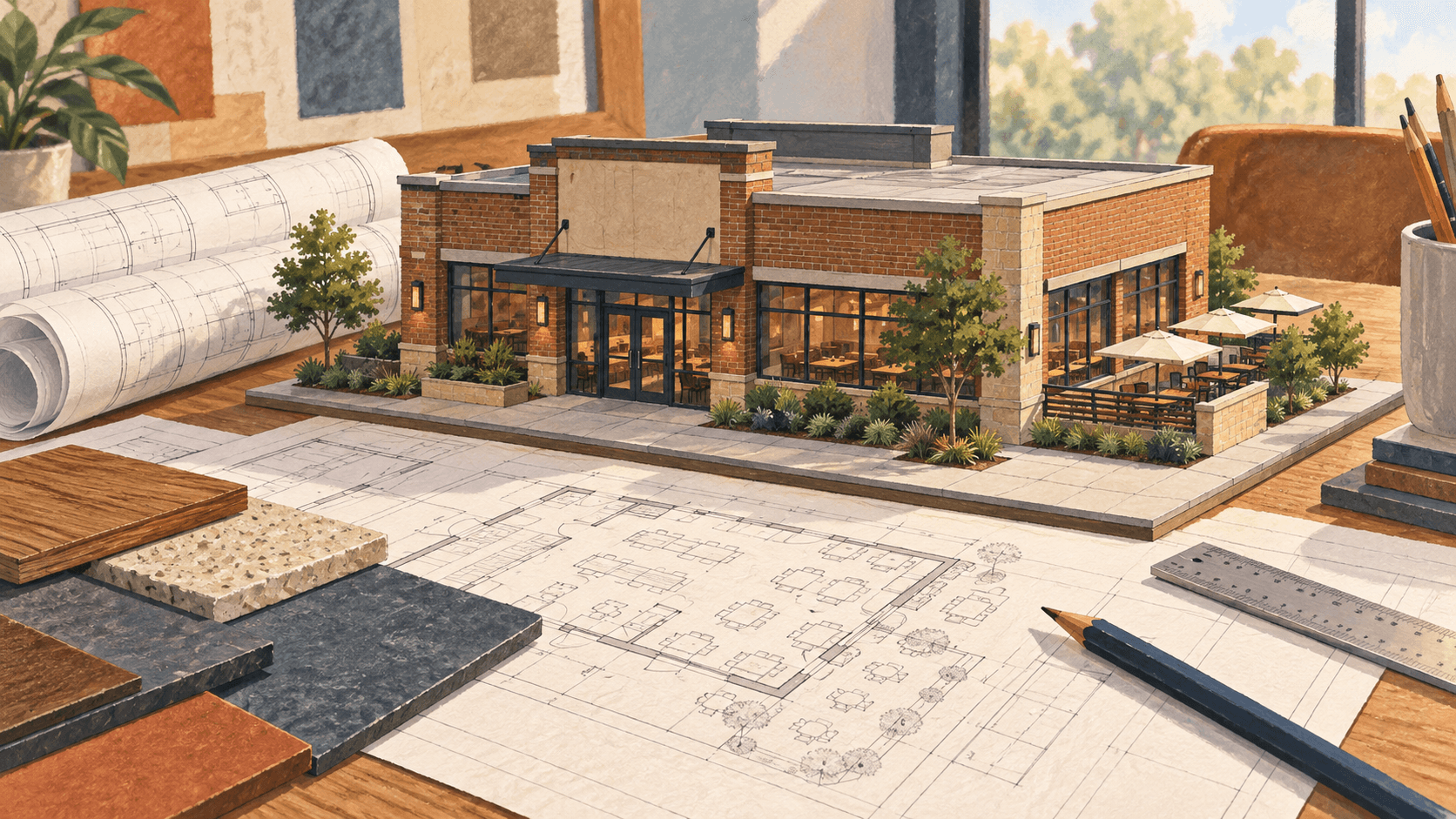
Brinker’s development plans pair new restaurants with remodel investment. It forecast fiscal 2027 capital spending of $265 million to $285 million.
Wendy’s August capital decision lowers its quarterly payout while a cash-flow reconciliation and prior guidance clarify what remains undecided.
Wingstop quantified how development offset weaker comparable sales in Q2. The calculation explains corporate growth without establishing franchisee profit.
July results show stronger sales and restaurant margins, modest debt reduction, and a smaller chain still facing a July 2027 maturity.
Domino's July results separate 26 net U.S. openings from refranchising in Virginia and Michigan, explaining the shift in company-store revenue.
Darden's extra week complicates the sales comparison. Operators need consistent trading periods and restaurant populations.
Cracker Barrel’s June outlook improved, but adjusted earnings remained below last year. Its filing separates traffic, retail margins and a litigation gain.
An earlier 85-store transfer explains most of the company-restaurant revenue decline. Comparable sales and North America commissary figures need separate readings.
Systemwide same-shop transactions grew 5.1% in Q1, while company-shop gross margin fell to 20%. Coffee, food and rent weighed on costs.
North American revenue rose $421.1 million while operating income fell $68.4 million. A constant-margin comparison helps explain the size of the gap.
Domino's posts 6.4% revenue growth and 32 consecutive years of international same-store gains while Pizza Hut announces 250 U.S. closures
Net income down 44%, revenue declining, and a new interim CEO — Wendy's bets on technology and international growth to reverse course