Domino's vs Pizza Hut: A Tale of Two Turnarounds
Domino's bet on technology and delivery. Pizza Hut clung to dine-in real estate. One is worth B and growing. The other is closing 250 stores and fighting for survival.
The QSR Pro editorial team covers the quick service restaurant industry with in-depth analysis, data-driven reporting, and operator-first perspective.
Primary Coverage
Showing 581–600 of 861 articles
Domino's bet on technology and delivery. Pizza Hut clung to dine-in real estate. One is worth B and growing. The other is closing 250 stores and fighting for survival.
Five years after the legendary chicken sandwich launch, Popeyes' same-store sales grew just 0.6% in 2024. Did the boom fade, or did operational chaos kill the momentum?
Under CEO Sean Tresvant, Taco Bell transformed from late-night joke to QSR innovation leader. Doubling innovation output, tripling international footprint, targeting M AUVs and 10,000 units.
Roark Capital paid $9.6 billion for Subway in the largest franchise deal ever. 18 months later: 600+ more closures, franchisee pushback, and a brand still searching for a turnaround.
The Infinite Kitchen is delivering 7-point margin improvement, 45% lower turnover, and 10% higher tickets. If it scales, the fast casual labor model is rewritten.
A 950-square-foot coffee shop generating $2.1 million in AUV, outperforming Starbucks' $1.8 million from nearly double the footprint.
With $6.6 million in average unit volume and 90% company ownership, Todd Graves has built the most in-demand franchise opportunity in America by refusing to franchise.
At $298K to $1M in initial investment and $2.1 million in AUV, the numbers tell a story that 21 consecutive years of same-store sales growth only reinforces.
Taco Bell's Go Mobile is 1,325 square feet. McDonald's is testing carryout-only boxes. Chipotle's Chipotlane format eliminates dining rooms. The industry's biggest bet isn't on new menu items. It's on smaller buildings.
Institutional capital is flooding into QSR real estate through net-lease REITs, creating a new power dynamic between landlords, franchisees, and brands. Here's what operators and investors need to understand.
SBA loan defaults hit a 12-year high in 2024. The 7(a) program posted its first negative cash flow in 13 years. Restaurant lending standards are tightening. For overleveraged QSR franchisees, the math is getting ugly.
QSR turnover exceeds 130% annually. The industry spends billions on recruitment. Most retention programs do not work. The data on what actually does work is clear, but most operators ignore it.
A single drive-thru lane can process 120 cars per day. A dual lane can push past 140. And Chick-fil-A's four-lane prototype aims for 720 cars per hour. How lane configuration decisions translate directly into revenue.

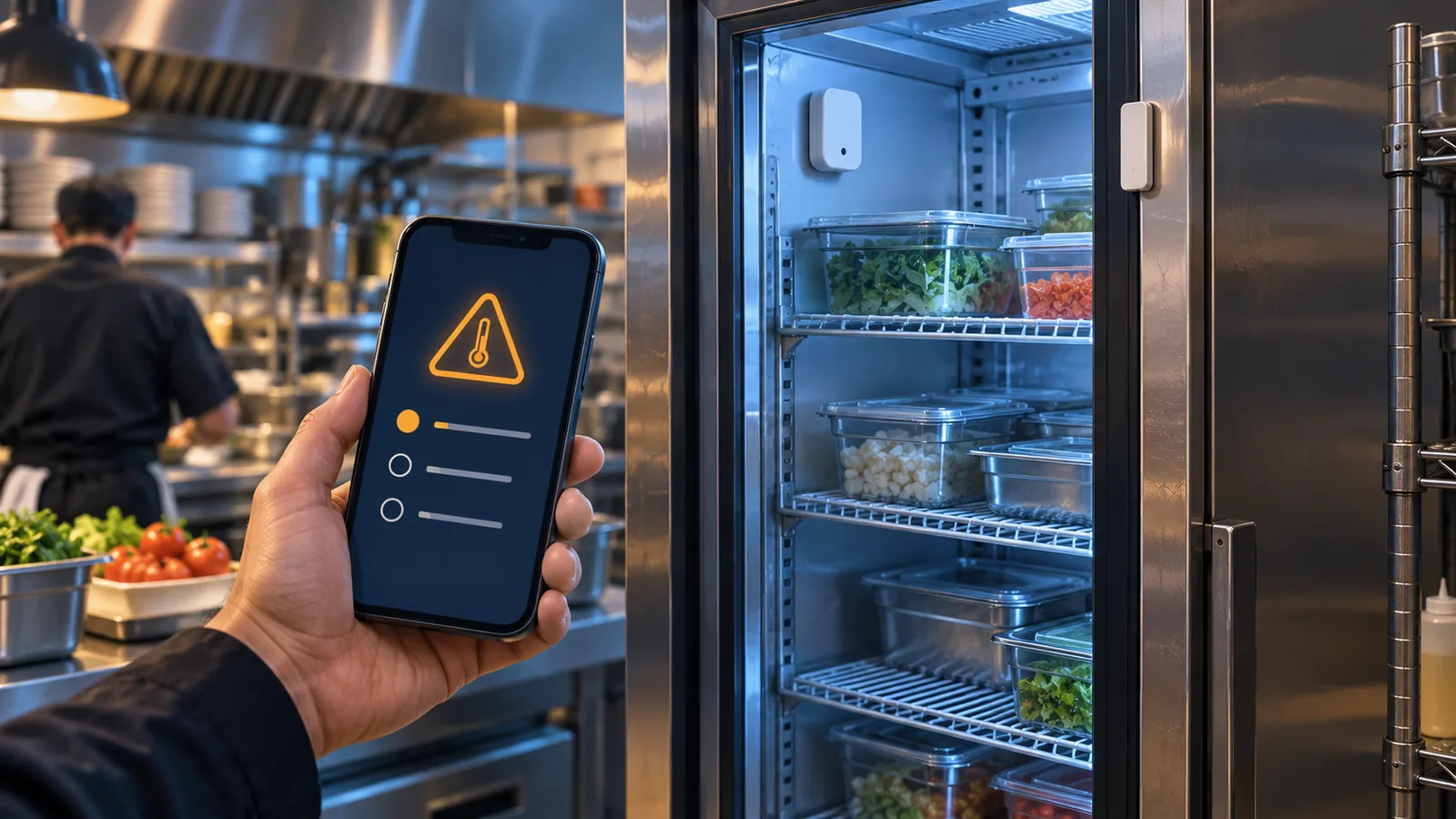
Equipment sensors, alerts and response records in restaurant temperature monitoring.
DoorDash takes 30% of your sale. The math doesn't work. Some QSR brands broke free and kept their margins. Here's how.
Some chains run 40% turnover while the industry averages 73%. The difference isn't higher pay. It's five specific strategies that treat retention as operational science.
QSR operators opened renewal letters showing 25-50% premium increases. No new claims. No coverage changes. Just bills that didn't exist six months ago.
First-time franchise owners discover costs that transform a $1.2M investment into a $1.8M hole. The FDD discloses what it must - not what matters.
McDonald's loyalty participation jumped 18% in Q3 2025, driving 12% digital sales growth. Chick-fil-A One members show significantly higher retention rates. Starbucks Rewards generates billions in prepaid float. The economics of points vs cash-back, what drives repeat visits, and why the best programs focus on retention over acquisition.
Droughts in key agricultural regions are driving commodity price spikes and supply disruptions. Here's what smart operators are doing about water and climate risk.